
Product Liability & Certification
CISG and the Turkish Law
The provisions of CISG are applied before other international law legislations and the parties can bring their international trade disputes before Turkish judicial authorities.
IT & Technology Law
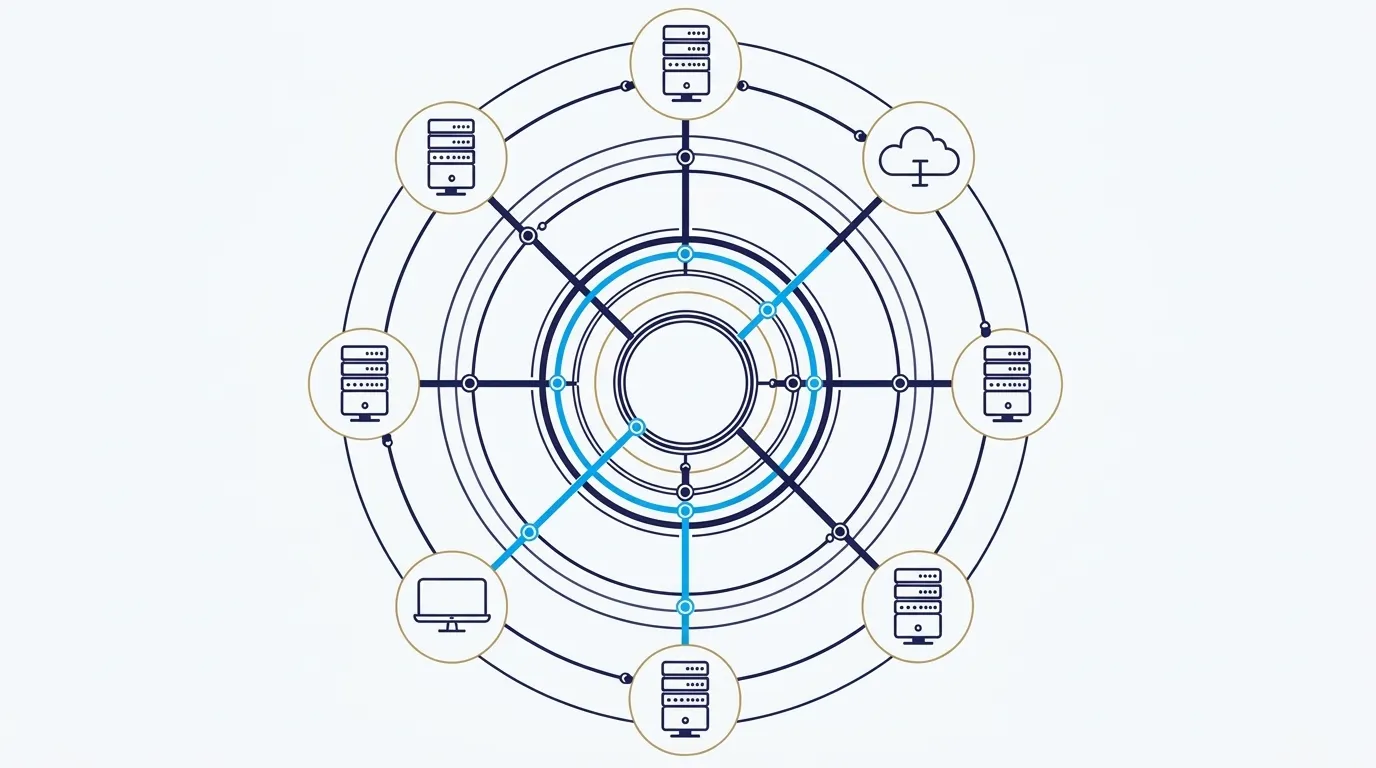
A cyber breach usually begins as a technical event, but the decisions made in the first hours shape its legal consequences. This checklist summarises what organisations should watch in the first days.
Rapidly shutting down or rebuilding systems can wipe logs that are critical for forensics. Technical teams and legal counsel should coordinate, and logs, images and network records should be preserved unaltered.
Where personal data is affected, the Turkish Personal Data Protection Board must be notified as soon as possible and within 72 hours of learning of the breach. Also assess separately:
Having the forensic review directed by counsel supports the protection of work product. Avoid discussing the incident in broadly distributed emails.
Messages to employees, customers, press and regulators must be consistent. Statements that prove inaccurate or unverified can become evidence against you later.
Cyber insurance policies and supplier contracts often contain short notice windows. Missing them can jeopardise coverage.
Paying a ransom is a separate legal decision that requires weighing sanctions, anti-money-laundering and criminal-liability risks. It should be taken at senior management level and documented.
This article is for general information only and does not constitute legal advice.
This article is for general information only and does not constitute legal advice.
Insights
Product Liability & Certification
The provisions of CISG are applied before other international law legislations and the parties can bring their international trade disputes before Turkish judicial authorities.
Product Liability & Certification
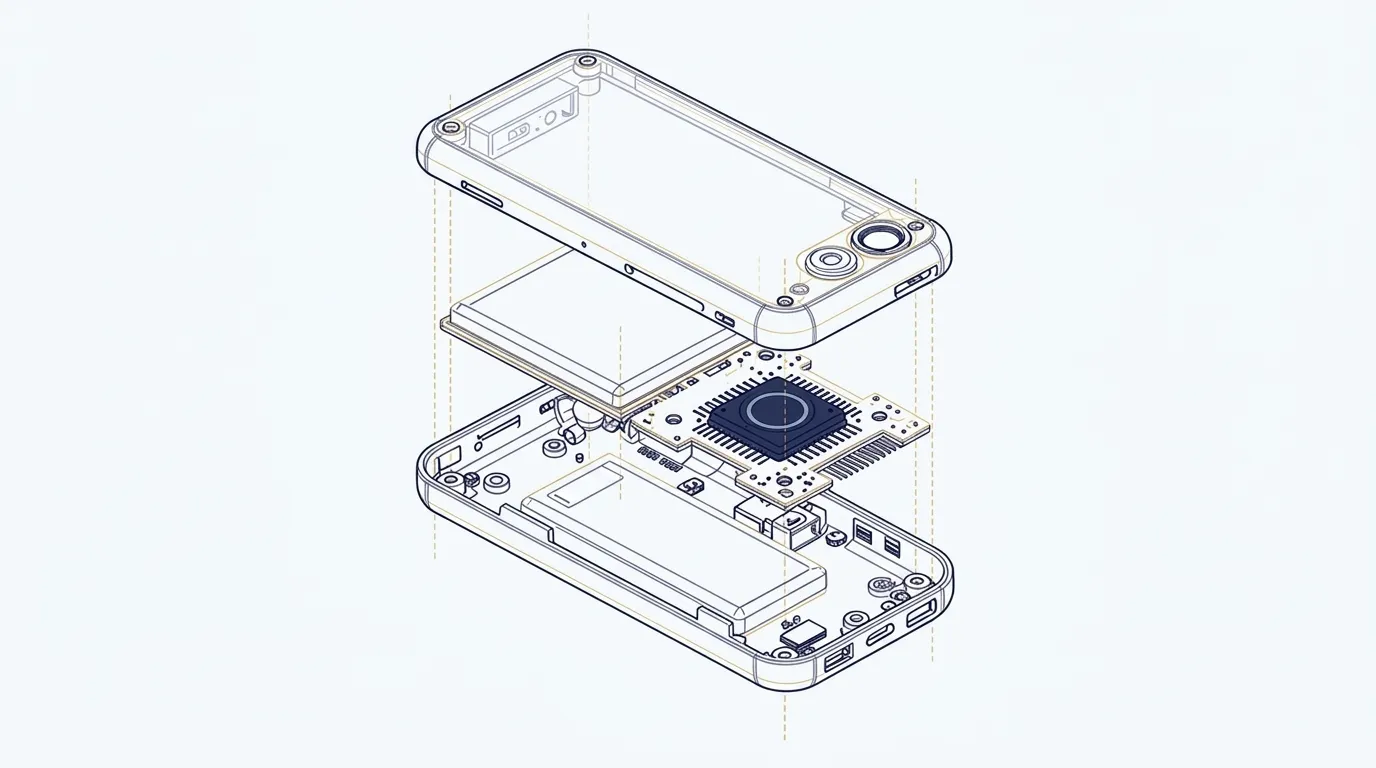
Under the EU CRA and PLD, cybersecurity failures in digital products trigger strict liability. Manufacturers face ongoing legal obligations for the product's entire lifecycle.

Product Liability & Certification
How employer and manufacturer liability interact when defective industrial machinery or equipment causes a workplace accident in Turkey, including recourse chains and corporate risk management.
Contact
Statutory notification deadlines start when the incident is detected (USOM: first 24 hours · KVKK: 72 hours). Incident details can be sent with the Cyber Breach Notification Form.