
Product Liability & Certification
CISG and the Turkish Law
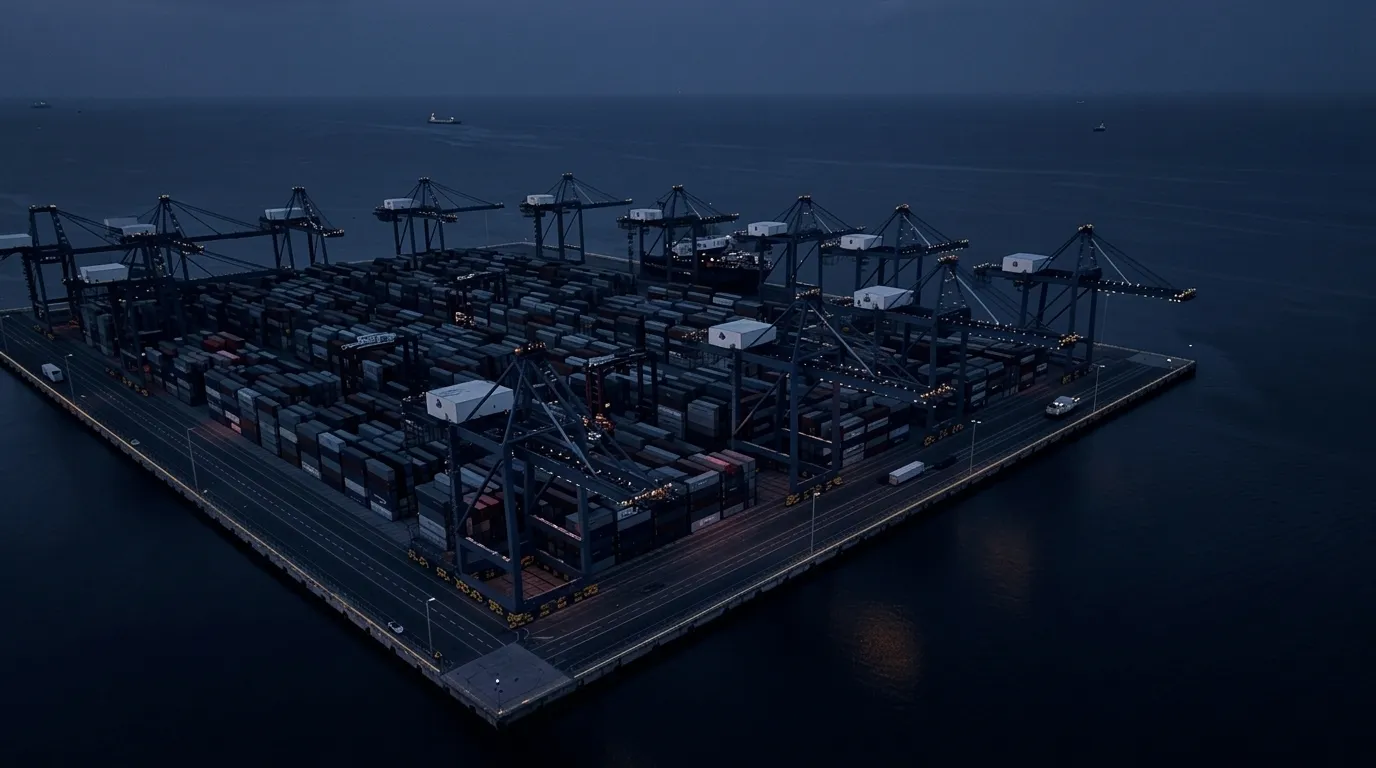
The provisions of CISG are applied before other international law legislations and the parties can bring their international trade disputes before Turkish judicial authorities.
Practice Areas · 02
Defective product claims, recalls, market surveillance and conformity processes.
We defend manufacturers, importers and distributors against product-related damage claims, manage recalls and market surveillance proceedings, and advise on conformity and certification requirements.
No, although the product liability law in Turkey has limited similarities to the previous EU product liability directive, the current law is quite different from the EU legislation.
In the case of a contract breach, Turkish law provides injured parties the right to seek remedies which may include claiming damages, requesting specific performance, or terminating the contract. The type of remedy will depend on the breach's nature and the damage's extent. Compensatory or punitive damages, specific performance ordered by a court, or contract termination might be considered based on the severity of the breach.
A legally binding contract in Turkey must contain essential elements such as offer and acceptance, mutual consent, capacity to contract, and a lawful object. The offer and acceptance should be clear, definite, unambiguous, and unconditional. Both parties must possess the legal capacity to enter into a contract, and the contract's subject matter must be lawful and not conflict with public policy.
Yes, some types of contracts in Turkey require specific formalities, such as written form, notarization, or registration, to be considered valid and enforceable. Notably, contracts involving property sales and future promises of property sale must be in writing and signed before a notary or public official, while other contracts may be oral or implied unless stipulated by law or party agreement.
The CISG regulates contracts for the international sale of goods. It includes provisions related to the sale, delivery, payment, and breaches of contract for physical goods. However, it does not cover services, consulting, or licensing contracts.
Yes, the CISG applies only when contracts are strictly for the sale of goods and when both parties to the contract have their places of business in different countries that are signatories to the CISG. It does not cover domestic sales or sales of services.
The CISG is designed to provide a uniform legal framework that is independent of country-specific legal systems. If a dispute arises, the CISG will be applied first, which helps to reduce conflicts arising from differences in national laws.
International conventions and EU directives, along with Swiss Obligations Law, case law, and legal doctrine, influence Turkish Contract Law. The Turkish Code of Obligations aims to integrate these sources to align with modern international standards and developments in contract law. However, there may still be unique differences within the Turkish context that affect contract drafting and execution.
Civil contracts typically involve personal or private affairs between individuals. Commercial contracts pertain to business-related transactions and are often governed by the Turkish Commercial Code. Administrative contracts involve a public authority and might relate to service provision or public works. Each contract type may have its own set of rules and requirements in addition to the general principles of contract law.
Insights
Product Liability & Certification
The provisions of CISG are applied before other international law legislations and the parties can bring their international trade disputes before Turkish judicial authorities.
Product Liability & Certification
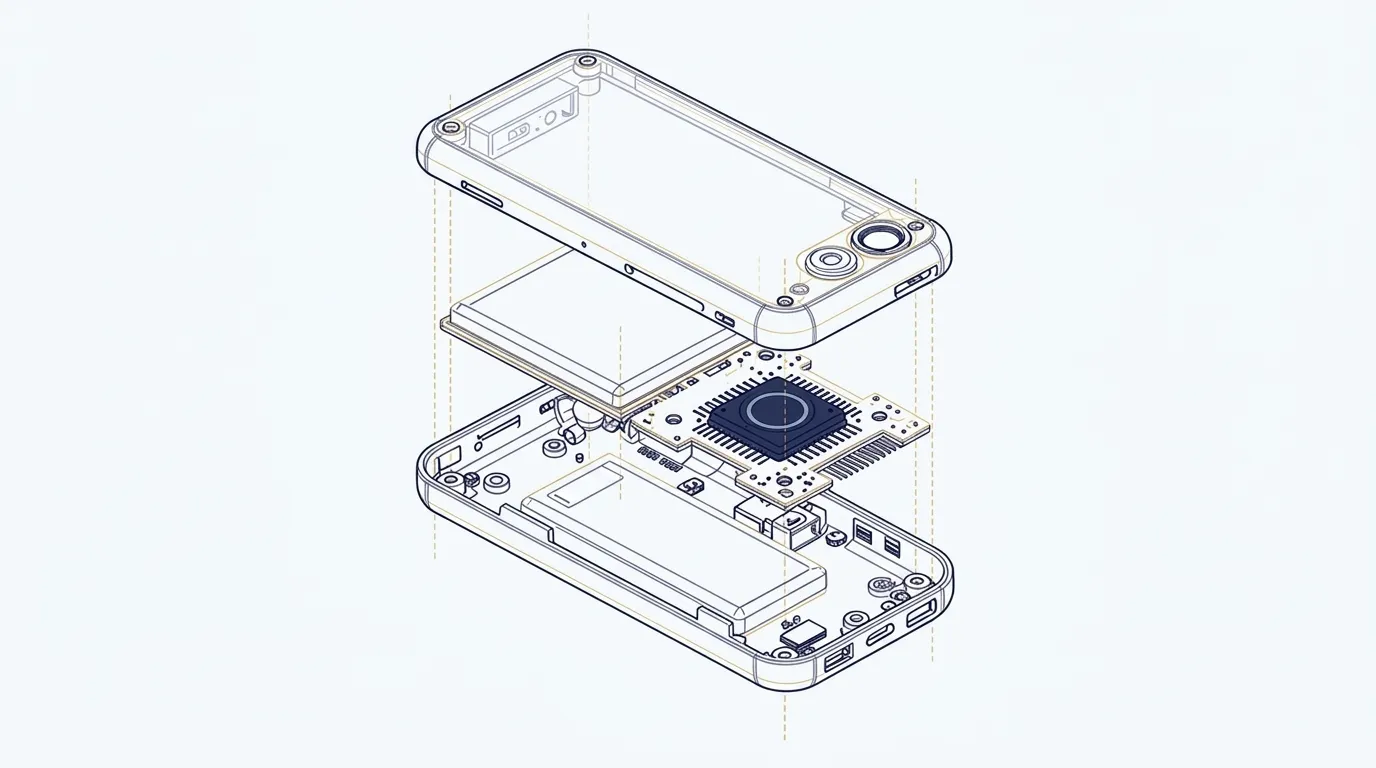
Under the EU CRA and PLD, cybersecurity failures in digital products trigger strict liability. Manufacturers face ongoing legal obligations for the product's entire lifecycle.

Product Liability & Certification
How employer and manufacturer liability interact when defective industrial machinery or equipment causes a workplace accident in Turkey, including recourse chains and corporate risk management.
Contact
Choose the route that fits your need.