Health Law
Rhinoplasty Gone Wrong: Your Legal Rights After a Failed Nose Surgery in Turkey
Failed rhinoplasty in Turkey? Learn your legal rights under work contract - malpractice claims, compensation options, and strict deadlines explained.
Medical Devices & Health Technologies
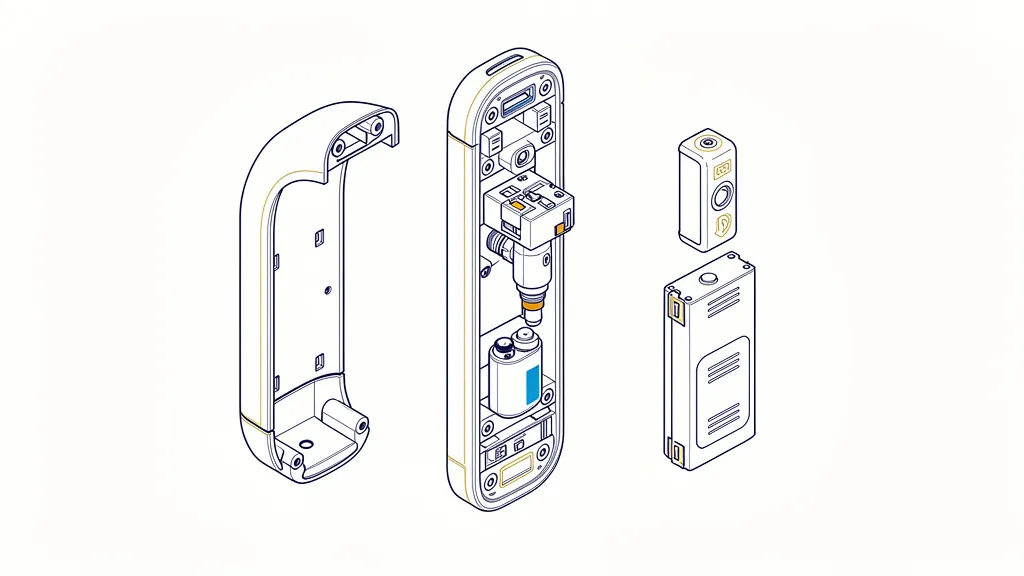
The medical device sector in Turkey underwent a fundamental transformation with the Medical Device Regulation published in Official Gazette No. 31499 (repeated issue) of 2 June 2021. Drafted in line with the EU Medical Device Regulation (EU) 2017/745 (MDR), it introduced new and extensive obligations for the economic operators in the sector: manufacturers, importers and distributors.
This article examines the scope of the Regulation, the obligations it imposes and the legal consequences of non-compliance from a corporate perspective.
The Regulation has four key elements:
Achieving compliance within this complex regulatory framework is a process that calls for legal support for every business in the sector.
The Medical Device Regulation covers medical devices intended for human use that are placed on the Turkish market, together with their accessories.
In vitro diagnostic medical devices are governed by a separate instrument published on the same date: the In Vitro Diagnostic Medical Device Regulation.
The Regulation governs the entire lifecycle of medical devices:
Its aim is to raise product safety, performance and quality while protecting the safety of patients and healthcare professionals.
The Regulation sets out detailed responsibilities for manufacturers and importers.
Manufacturers must:
Importers are responsible for ensuring that the products they place on the market comply with legal requirements.
Distributors must also verify conformity when making a device available on the market. For this reason, the allocation of responsibility in distribution agreements must be structured carefully.
Medical devices are divided into four risk classes based on the potential harm they may cause to patients, users or other persons:
A device’s class directly determines the applicable conformity assessment procedure and the extent of notified body involvement.
The Regulation imposes the following core obligations on manufacturers:
The Regulation contains specific principles for the proper distribution and marketing of medical devices. In this context, compliance with the rules on the promotion, advertising and sale of medical devices is essential.
For companies active in the EU market, certification requirements based on CE marking and standards such as ISO 13485 are also important.
Economic operators that fail to comply with the Regulation may face a range of sanctions under the Product Safety and Technical Regulations Law No. 7223:
Law No. 7223 provides that no administrative sanction is imposed on an operator that fully remedies a non-conformity on its own initiative, before any request by the competent authority (Art. 21). This provision clearly shows the legal value of a proactive compliance and recall strategy.
The Regulation has brought certain structural challenges for the sector:
The main solutions to these challenges are:
The Medical Device Regulation is a complex instrument. Manufacturers must fully understand its requirements to ensure that their devices are compliant.
Non-compliance with the Regulation creates more than a risk of administrative sanctions.
Under Law No. 7223, where a product causes harm to a person or property, the manufacturer or importer must compensate that harm (Art. 6). Where more than one party is responsible, liability is joint and several. Contractual provisions that exclude or limit this liability are void.
For this reason, compliance processes also form the foundation of a company’s defence in product liability claims. Recourse relationships within the supply chain should likewise be structured from the outset.
Medical device companies operating in Turkey may benefit from legal advice on compliance with the Medical Device Regulation and on potential disputes. These companies include manufacturers, importers, distributors and licence holders.
At the intersection of product liability and medical device legislation, istlegal Attorneys at Law provides legal advice and litigation services to companies on meeting the Regulation’s requirements, ensuring device compliance and defending their rights in disputes concerning medical devices.
This article is for general information only and does not constitute legal advice.
Insights
Health Law
Failed rhinoplasty in Turkey? Learn your legal rights under work contract - malpractice claims, compensation options, and strict deadlines explained.
Health Law
Turkey's 2026 Health Reports Regulation sets strict new rules on medical certificates, telemedicine, and private hospital limits - essential reading for health tourism patients.

Medical Devices & Health Technologies
The medical device status of mobile apps and AI-enabled software: the intended-purpose test and certification obligations.
Contact
Appointment request form for an initial consultation on medical device, digital health and healthcare institution compliance.