Skip to content

Medical Devices & Health Technologies

When Is Health Software a Medical Device?

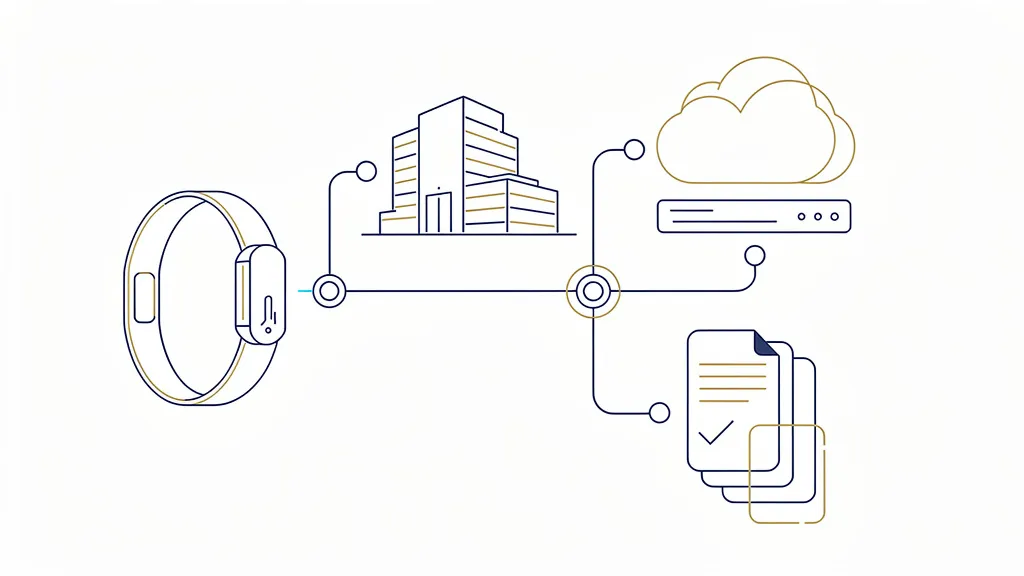
Line drawing of a digital health ecosystem linking a wearable sensor, clinic, cloud and regulatory review

The first question for digital health ventures is often: “Is our software a medical device?” The answer depends not on the technology but on its intended purpose.

The intended-purpose test

The purpose the manufacturer states on labelling, instructions for use and promotional material is decisive. Software that generates information for the diagnosis, prevention, monitoring or treatment of disease may qualify as a medical device. Apps that only offer general wellness information usually fall outside the scope.

Classification and certification

Software qualifying as a medical device is classified by risk; higher-risk classes require notified body assessment. Technical documentation, clinical evaluation and post-market surveillance duties continue through software updates.

AI-enabled devices

For models that learn or update frequently, plan in advance whether a change triggers a new conformity assessment.

Practical steps

  1. Define the intended purpose consistently across all marketing and product text.
  2. Document your classification rationale.
  3. Allocate vigilance and adverse event reporting duties by contract.
  4. Separately assess data protection compliance for any health data processing.

This article is for general information only and does not constitute legal advice.

Back to Insights

Insights

Contact

Medical compliance: request for a case assessment

Appointment request form for an initial consultation on medical device, digital health and healthcare institution compliance.

Appointment requestPhone: 0850 309 97 21 · Weekdays 09:00 – 18:00